

The situation
The pain points of a disjointed suite
Araceli’s software was four separate applications. Each had grown independently, so terms, interactions such as how wells are selected, and the look of buttons, colors, and icons all differed from one application to the next.
Our service team had to take users through a separate training session for each application, which made training very long. People also alt-tabbed between them as they moved through various tasks. For a company that sells usability, that wasn’t acceptable.
The work
The case for one platform
In early 2025, I proposed merging the four applications into a single application: one platform with one information architecture, one design language, and workflows that cross what had been separate products. The first response was lukewarm, because people couldn’t imagine beyond what we had and how customers already worked with it.
It had two costs: some features would pause while we rebuilt, and everyone who knew the old software would have to relearn it. I argued that one consistent application would be more intuitive, so retraining would happen once and training would get shorter after it.
The work
A different yes for each group
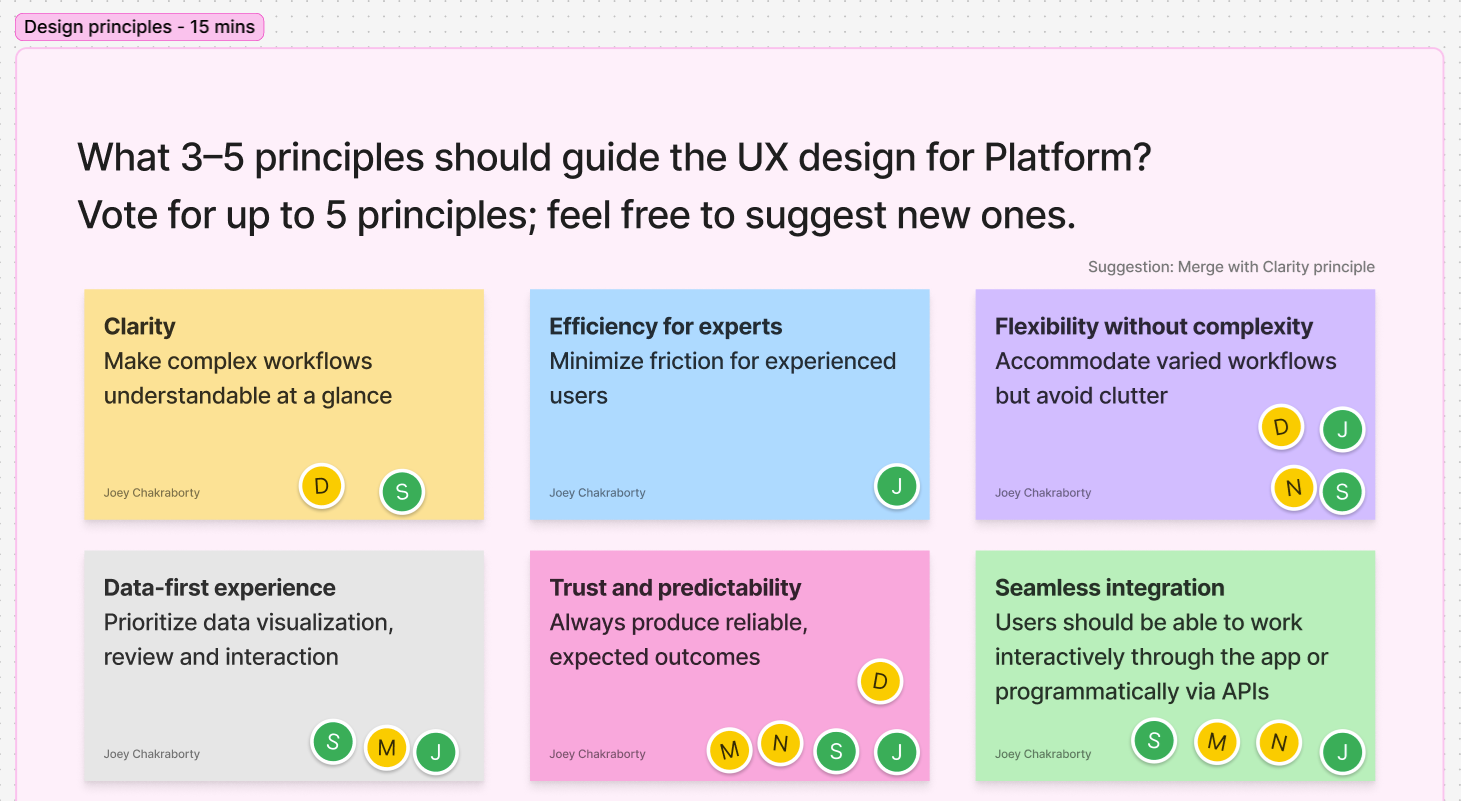
I pulled our software engineering lead aside first to talk through what unification meant for building and maintaining it, and he was on board quickly. I then ran three workshops with the product managers, the engineering lead, and our application scientist, walking them through old and new workflows side by side, and voting together on the principles that should guide the design.
Product managers needed many mockups (I built them in Figma), proof that deployment would stay flexible, and time to decide the paused features were worth it.
With that team behind it, we took the idea to the executive team and the board. I presented it with our software product manager at the company sales kickoff. Field and sales were the most hesitant because of retraining, but came around once they saw the concepts.
The outcome
Shipped, with the field team on board
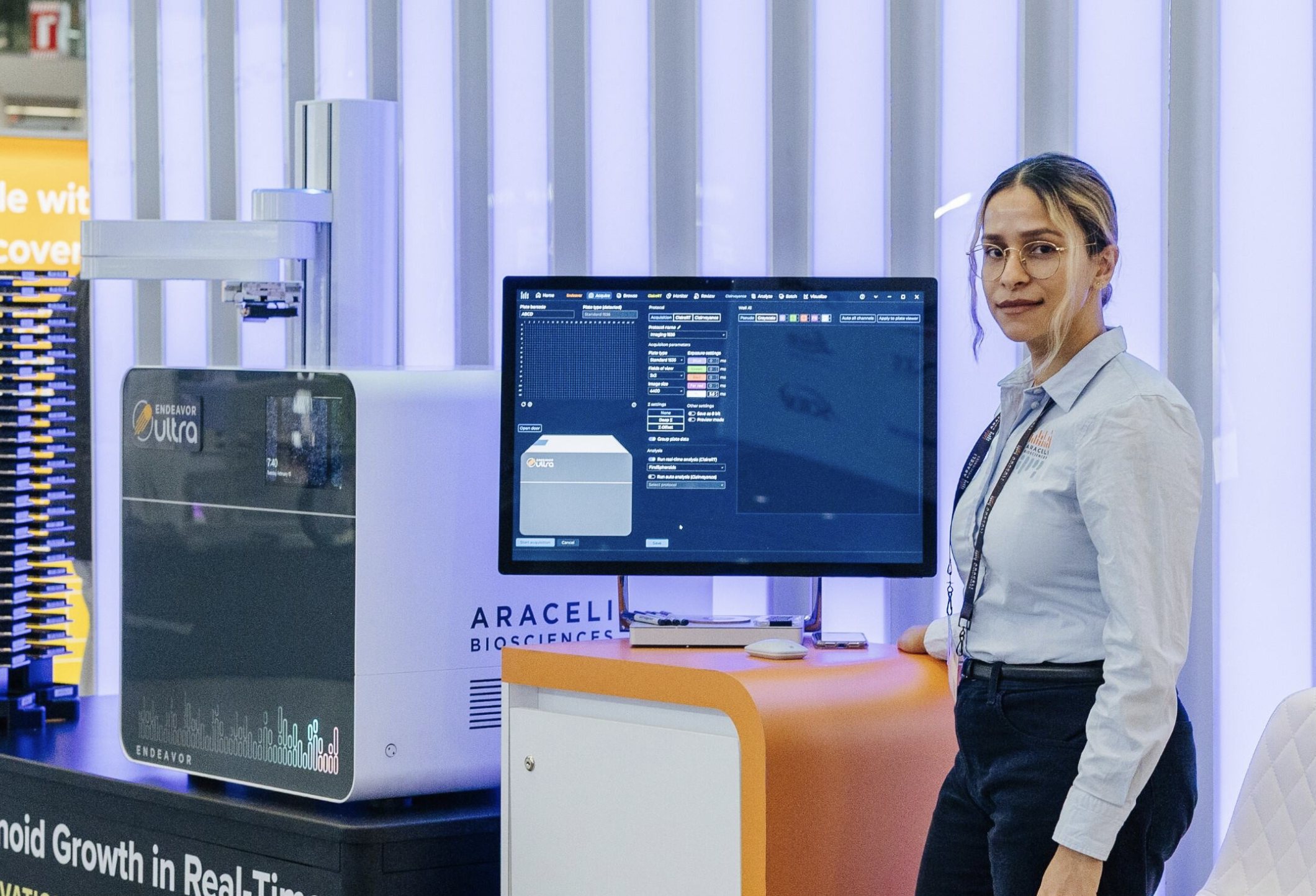
Building began after the workshops, and I moved from Figma into code with Claude Code. I design in my own branch, which our software engineers pull and connect to the back end. EndeavorOS shipped in September 2026.
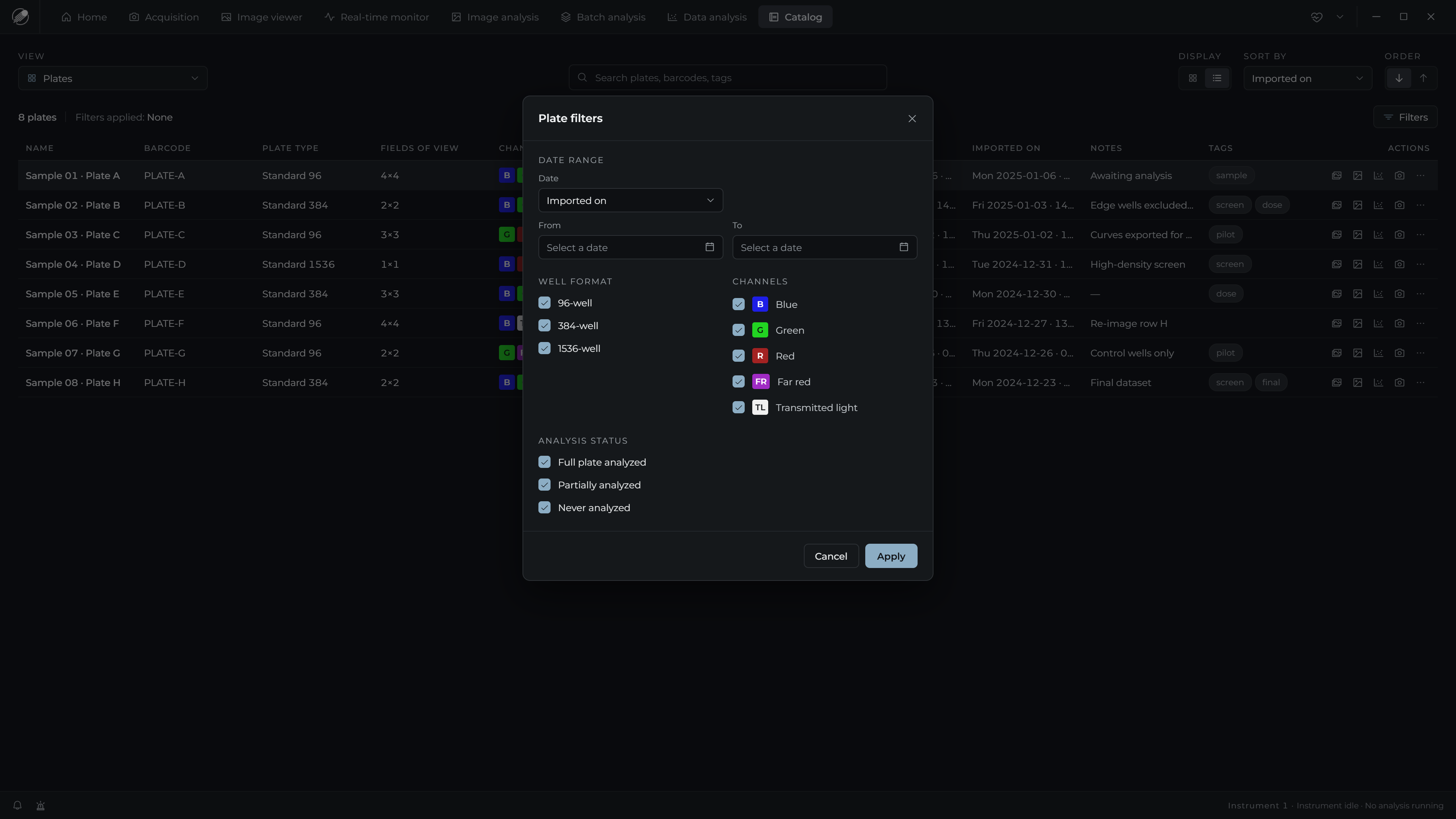
The field team was happy with what we shipped, including the new catalog screen I rallied for, a single place to manage named entities like plates and protocols. The platform now has room for new applications and add-ons without splitting apart again, and early customer feedback is coming in.