

The situation
One product and two primary users
BlueCat had spent a decade in enterprise DNS. DNS Edge was its first move into real-time threat detection, and I was brought in as the first design hire to lead it from zero while establishing design across the existing suite.
Network operations centers (NOCs) watch threat data on large shared screens and read it at a glance. Analysts need to spot suspicious activity, drill in, and act before the threat window closes. The two needs pulled against each other, and one interface had to serve both.
The work
A path for each user
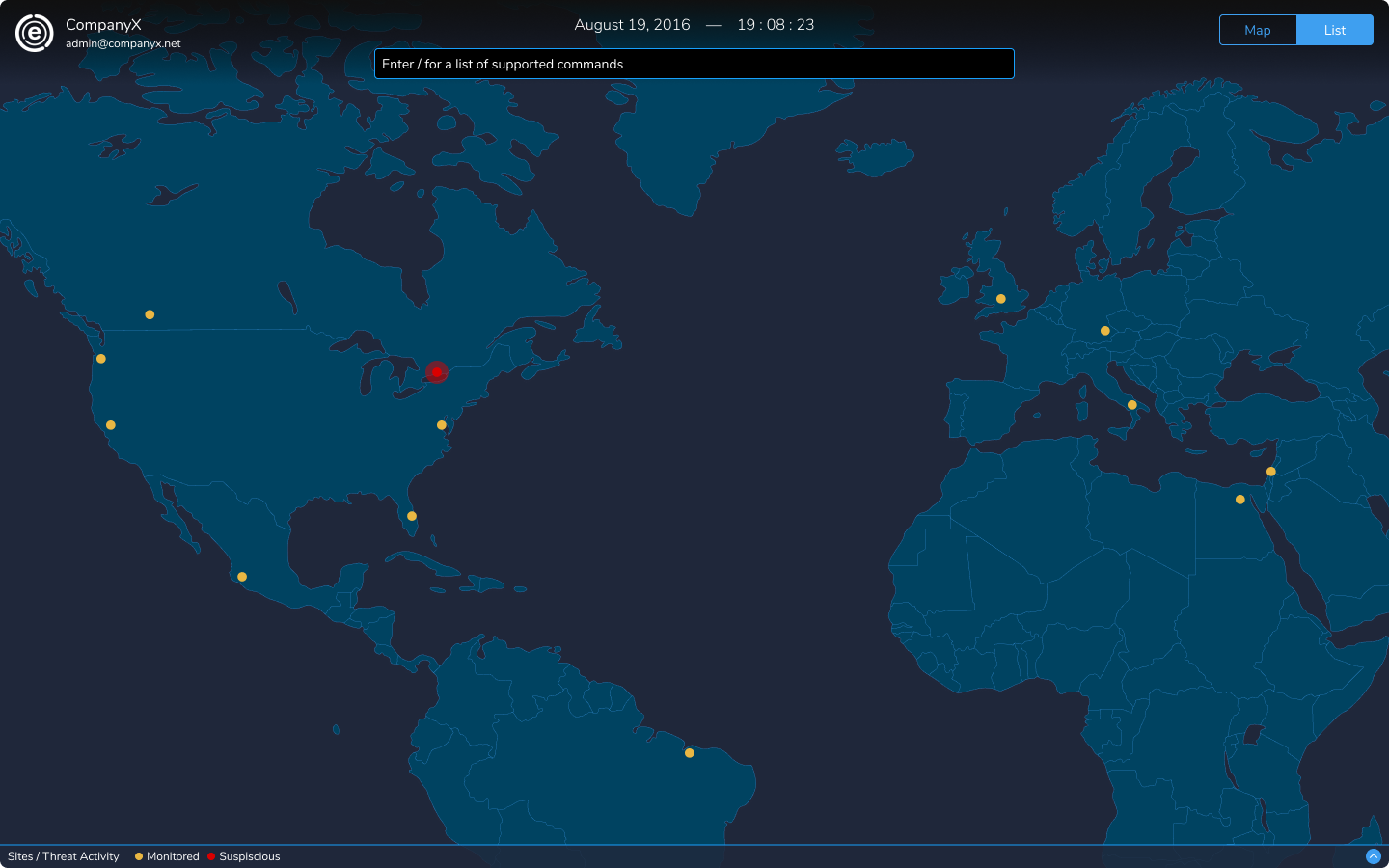
For the room, a large-format map shows threats in real time, readable from across the room with no interaction.
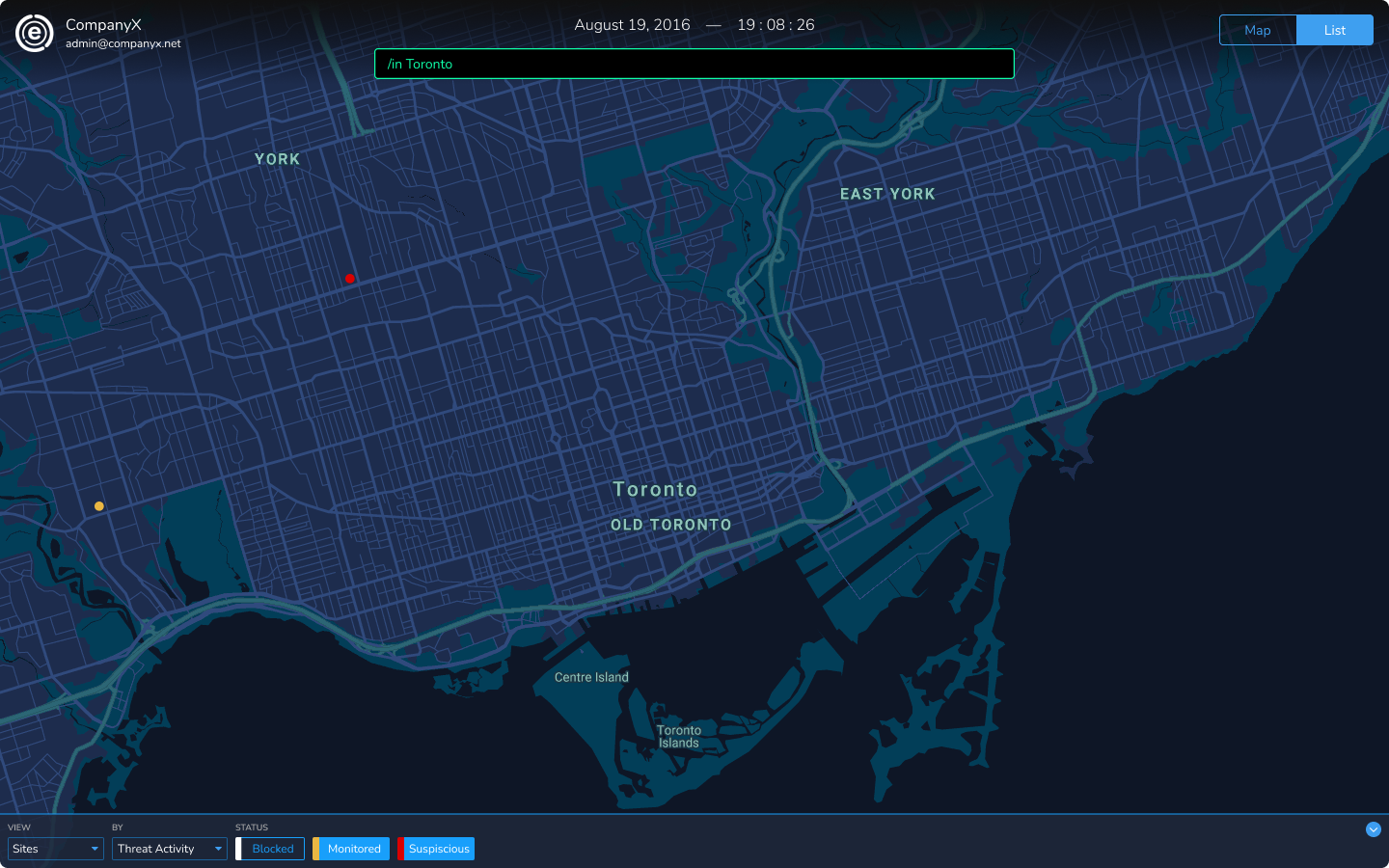
For analysts, a Command Builder modeled on the command-line tools they already knew lets them drill in and act within seconds, in a mental model they already had.
Both came from customer visits and calls, watching analysts work in their own operations centers.
The work
Establishing design in an engineering-led org
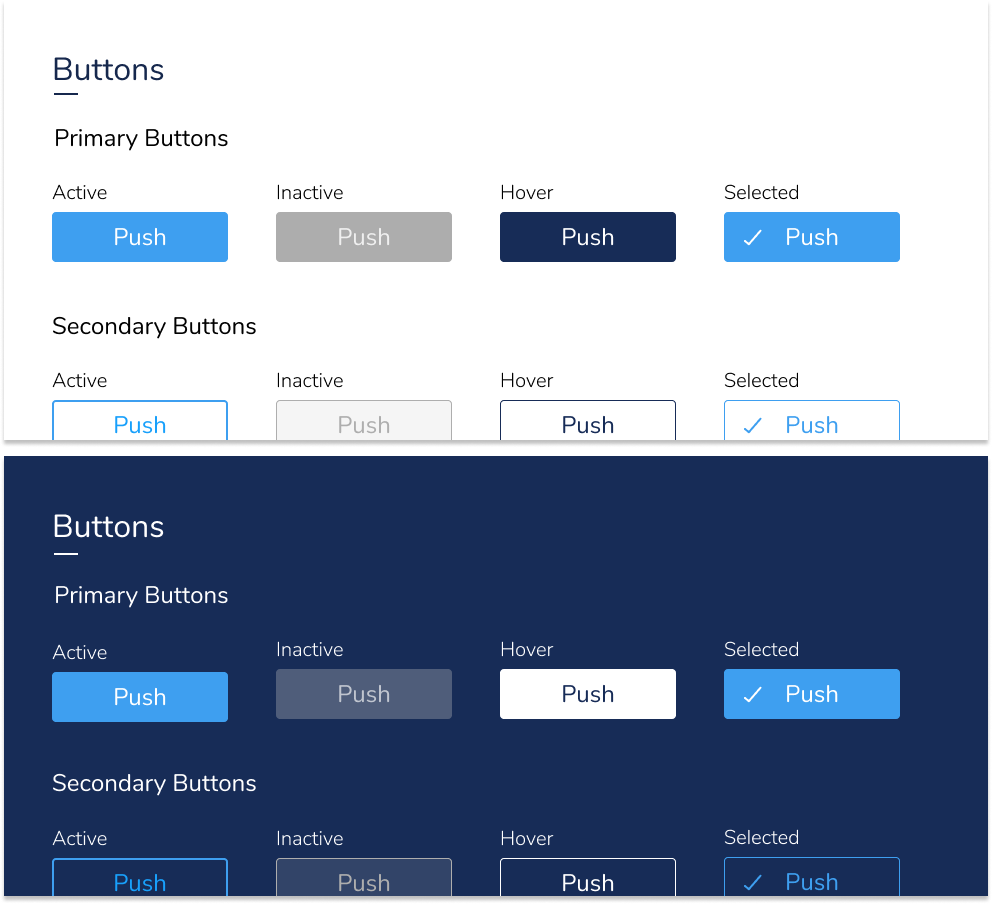
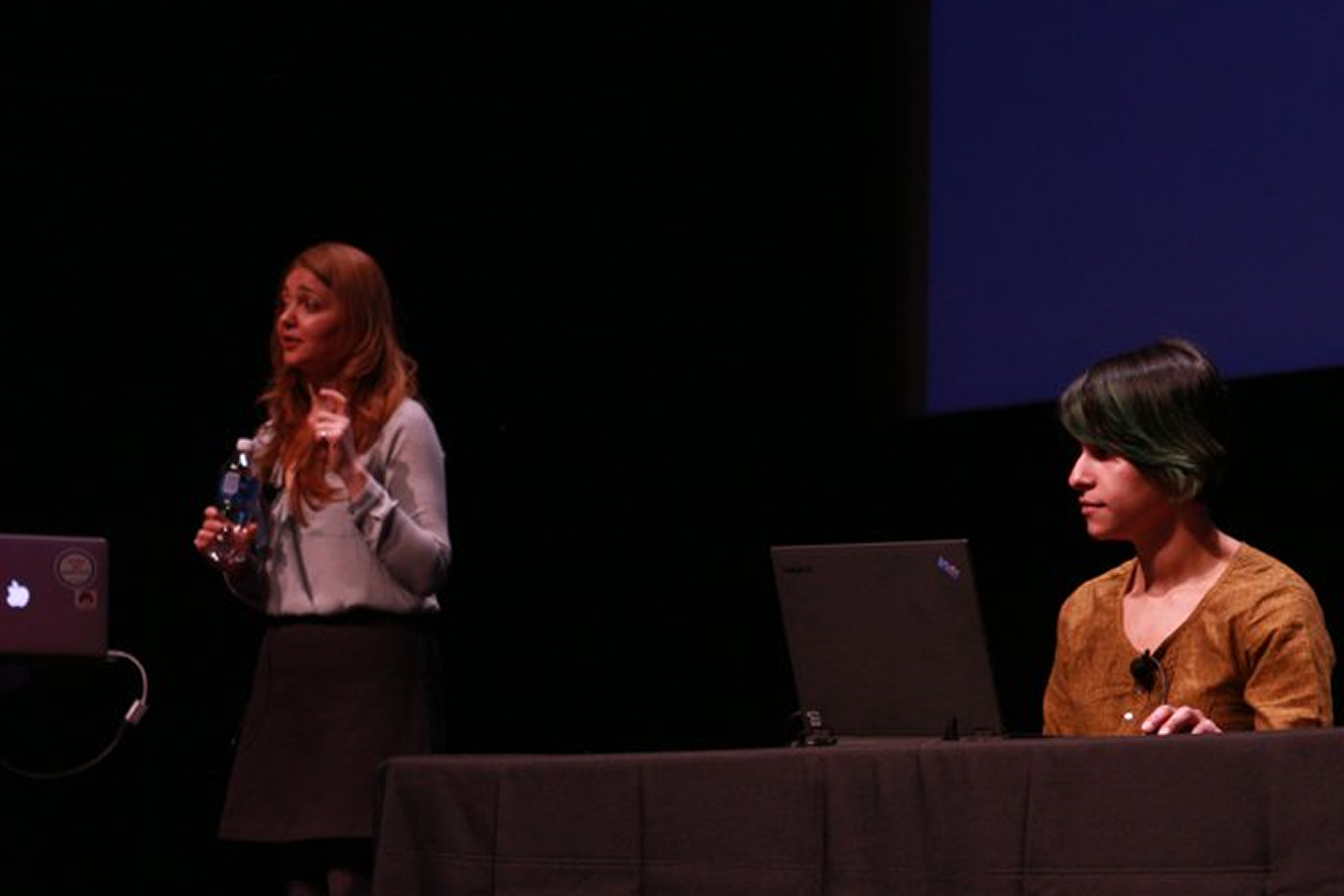
I managed a vendor team of one UI designer and two UI developers, hired a full-time UX designer, and set up the BlueCat Design System. To build support for design, I presented new concepts at the company-wide Sales Kickoff and wrote a semi-humorous monthly column called Bad UX for the product newsletter.
Showing users real-time network data and letting them do something about it is how we will really add value.
The outcome
A pilot, and scaffolding for what came next
Once the designs were in shape, we validated them with users in a pilot across four customer accounts. It averaged 4.2 out of 5, and customers asked for a broader rollout and beta access.
I left for graduate school before full release. The design system continued to be used across the product suite in the years that followed, and Edge later became part of BlueCat’s Cisco SolutionsPlus partnership.